
Protection coordination and relay settings are critical to the safe and reliable operation of electrical power systems. While protection studies often produce detailed reports and recommendations, the true value lies in how effectively those studies are translated into correctly configured protection devices in the field. Turning analysis into reliable outcomes requires precision, understanding of system behavior, and disciplined implementation.
What protection coordination really means
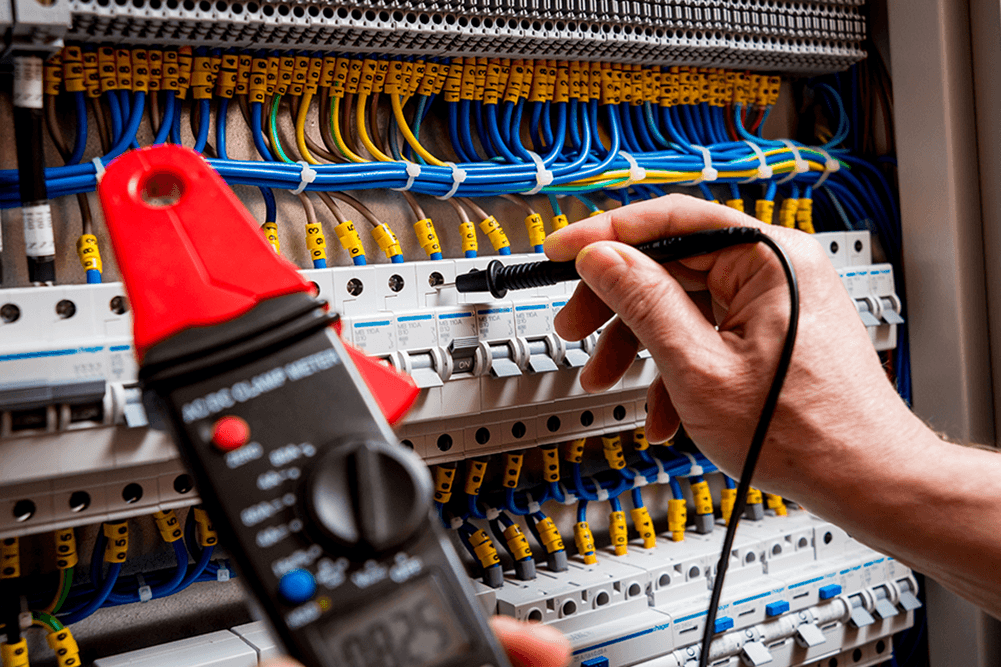
Protection coordination is the process of ensuring that protective devices operate in the correct sequence during faults. The goal is simple but vital: isolate only the affected portion of the system while keeping the rest energized. When coordination is done properly, the closest protection device to the fault operates first, minimizing disruption and equipment damage.
This requires careful consideration of fault levels, equipment ratings, operating times, and system topology. Coordination must account for normal operating conditions, contingencies, and future system changes. A well coordinated system improves safety, reduces downtime, and protects valuable assets.
From protection studies to relay settings

Protection studies such as short circuit analysis, coordination studies, and arc flash assessments provide the technical foundation for relay settings. However, studies alone do not protect a system. The real work begins when study results are converted into actual relay parameters.
This step involves selecting the correct protection functions, setting pickup values, time delays, curves, and logic schemes that match the study intent. Errors at this stage can negate even the most thorough analysis. Common issues include misinterpreting study assumptions, applying generic settings, or failing to account for site specific conditions.
Engineers and technicians responsible for implementation must fully understand the study outputs and the protection philosophy behind them. Those looking to learn more about power systems analysis often discover that the link between studies and settings is where practical reliability is either achieved or lost.
Testing, validation, and commissioning

Once relay settings are applied, thorough testing is essential. This includes secondary injection testing to verify that relays operate at the correct values and times, as well as logic testing to confirm correct tripping and coordination behavior.
Testing should validate not only individual relays but also system level coordination. This ensures that upstream and downstream devices interact as intended during faults. Any discrepancies between expected and actual performance must be resolved before the system is placed into service.
Commissioning is the final step in turning studies into outcomes. It confirms that protection devices, wiring, communication links, and control systems all function together correctly under real operating conditions.
Conclusion
Protection coordination and relay settings are where theory meets reality in power system protection. Studies provide the roadmap, but careful implementation, testing, and maintenance are what deliver reliable outcomes. By ensuring that protection analysis is accurately translated into field settings and kept up to date over time, organizations can achieve safer systems, reduced outages, and long term operational confidence.