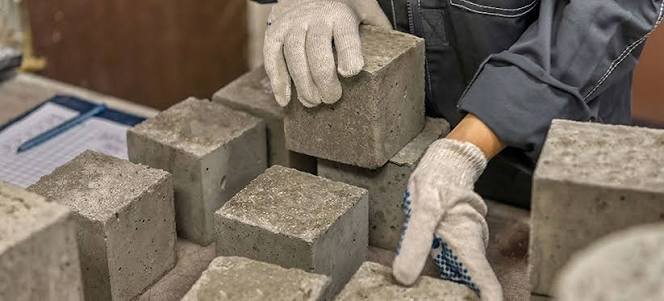
Every construction project depends on materials that can perform safely under specific loads, environmental conditions and operational demands. If concrete, steel, soil, aggregates or protective membranes fail to meet the required standards, the consequences may include delays, additional expenses and serious structural risks. Testing materials before they arrive at the job site helps project teams identify potential problems early and maintain consistent quality throughout the construction process.
Early Testing Prevents Costly Construction Problems
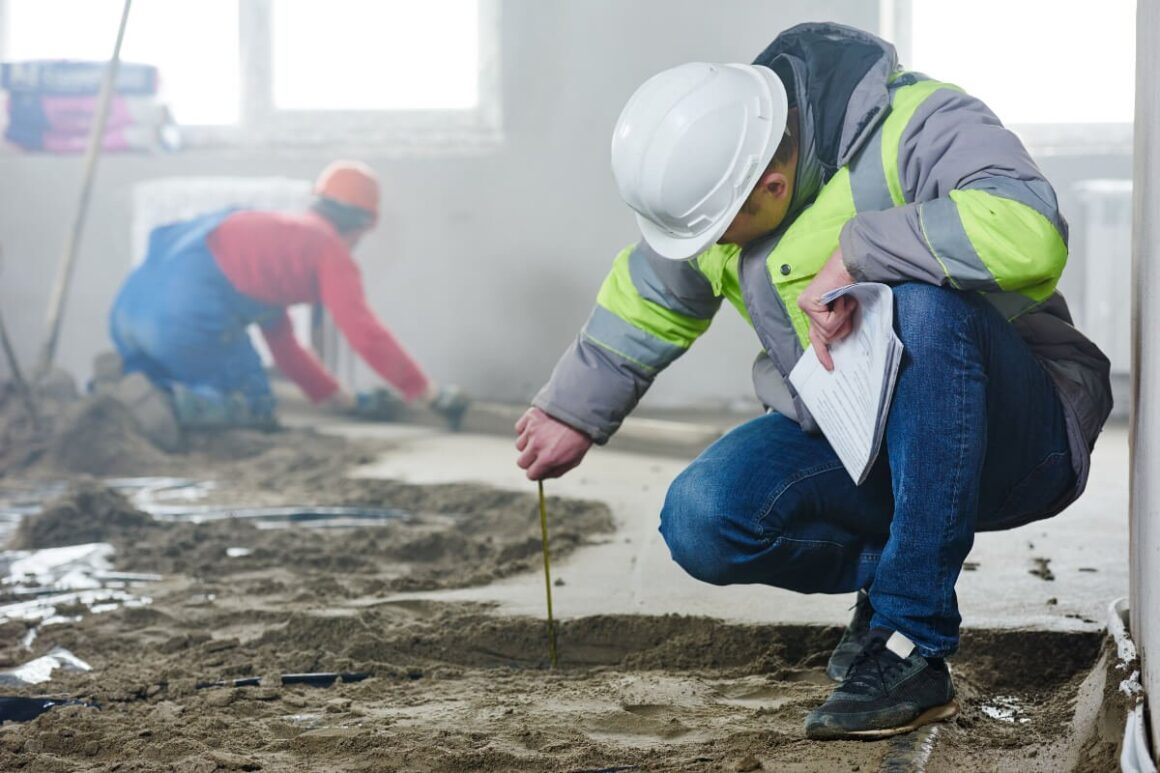
Material testing allows engineers and contractors to confirm that every product is suitable for its intended purpose. The correct liner material for laboratory testing is pivotal for the process because it helps create controlled conditions and supports the accurate evaluation of samples.
When laboratory procedures are performed correctly, the results provide valuable information about strength, durability, permeability, chemical resistance and other important properties.
Discovering a defective material before delivery is far less expensive than identifying it after installation. If unsuitable concrete, insulation or waterproofing has already been used, workers may need to remove completed sections and repeat the work.
This can affect deadlines, labour costs and relationships between contractors, suppliers and clients. Early testing reduces these risks by preventing non-compliant materials from entering the active construction area.
Reliable Results Support Safety and Compliance
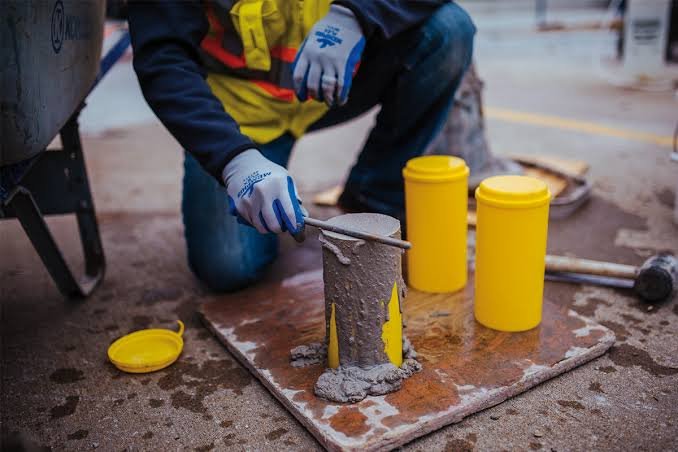
Construction materials must comply with relevant technical specifications, building regulations and industry standards. Laboratory testing gives project managers documented evidence that selected materials meet the required criteria.
This is particularly important for structural components that will carry heavy loads or remain exposed to moisture, temperature changes, chemicals and constant wear.
Testing may include compression tests for concrete, tensile tests for steel, moisture analysis for timber or density and compaction tests for soil.
Each procedure provides information that cannot be confirmed through visual inspection alone. A material may appear acceptable while containing hidden weaknesses that could reduce its service life or compromise the stability of the finished structure.
Independent test results also make responsibilities clearer. Suppliers can demonstrate the quality of their products, while contractors can verify that delivered materials match the approved specifications. This documentation can be useful during inspections, audits and disputes, especially on large or technically demanding projects.
Consistent Materials Improve Project Efficiency

Advance testing makes it easier to plan construction activities with confidence. When the project team understands how a material behaves, it can select appropriate installation methods, equipment and working conditions. This reduces uncertainty and helps workers avoid unnecessary adjustments once construction has started.
Testing also supports consistency between different batches. Materials produced at separate times may vary because of changes in raw ingredients, manufacturing conditions or storage. Regular sampling can reveal these differences before they affect the final result. Contractors can then reject unsuitable batches, request replacements or adapt the construction plan when technically justified.
Better quality control can also reduce material waste. Products that meet verified performance requirements are less likely to be damaged, replaced or discarded. As a result, the project can use resources more efficiently while limiting avoidable costs and environmental impact.
Conclusion
Testing construction materials before they reach the job site is an essential part of responsible project management. It identifies defects early, supports regulatory compliance and provides reliable data for engineering decisions. It also improves consistency, limits waste and reduces the possibility of expensive corrective work. By investing in proper laboratory testing and quality control, construction teams can protect workers, clients and the long-term value of the completed structure.