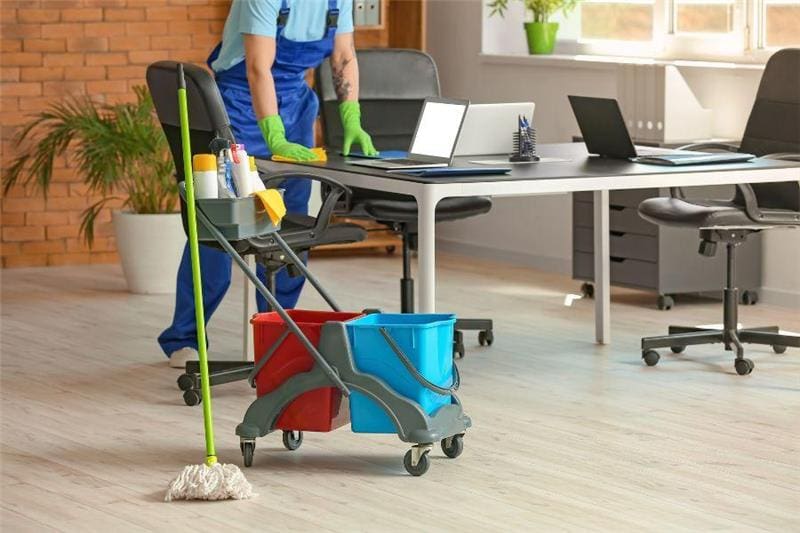
Workplace cleanliness influences much more than appearance. Dust, clutter, unpleasant odours and poorly maintained shared spaces can affect how employees feel, concentrate and perform throughout the day. A consistent professional cleaning routine helps create a healthier environment while supporting morale, efficiency and a positive workplace culture.
Supporting Employee Health and Reducing Workplace Illness
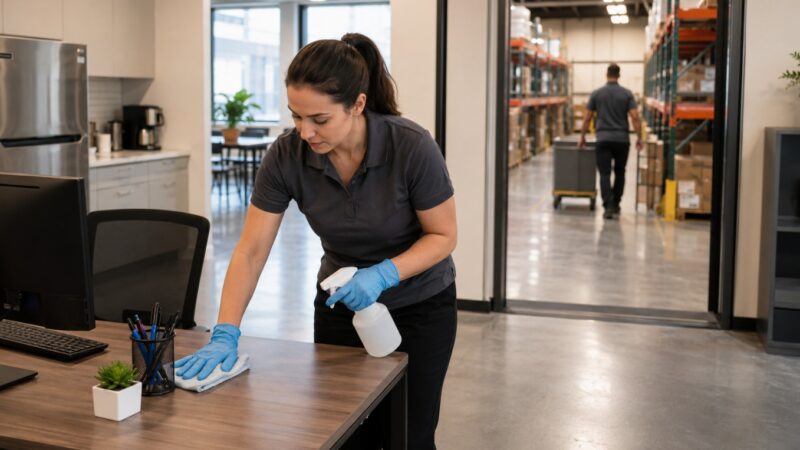
Professional cleaning helps limit the build-up of dust, allergens, bacteria and other contaminants across frequently used areas. This is particularly important in larger facilities where commercial warehouse cleaning may involve offices, storage zones, staff kitchens, bathrooms and high-traffic work areas. Businesses can visit here to learn more about commercial cleaning services suited to different workplace environments.
High-touch surfaces such as door handles, shared equipment, light switches, desks and kitchen appliances can quickly collect germs. Regular cleaning and disinfection reduce the likelihood of contaminants spreading between employees, especially during periods of seasonal illness. Cleaner kitchens and bathrooms also support better hygiene and reduce unpleasant conditions that may discourage staff from using shared facilities.
Dust control is equally important. Carpets, ventilation grilles, shelving and upholstered furniture can trap particles that irritate employees with allergies or respiratory sensitivities. Routine vacuuming, dusting and periodic deep cleaning help improve the overall condition of the indoor environment.
Improving Concentration and Reducing Distractions
A cluttered or visibly dirty workplace can make it more difficult for employees to focus. Overflowing bins, dusty desks, stained floors and disorganised shared areas create visual distractions and may give workers the impression that the workplace is poorly managed.
Clean surroundings support a stronger sense of order. When workstations, meeting rooms and communal spaces are maintained consistently, employees can concentrate on their responsibilities instead of noticing mess or dealing with cleaning problems themselves. This is particularly valuable in busy workplaces where interruptions can reduce efficiency and increase stress.
Professional cleaning also helps maintain functional spaces. Meeting rooms remain ready for use, kitchens are more pleasant during breaks and entrances create a welcoming atmosphere. Employees spend less time searching for clean facilities, moving waste or reporting avoidable maintenance concerns.
Strengthening Productivity, Morale and Professional Standards
Employees are more likely to feel valued when their employer provides a safe, clean and comfortable workplace. Good cleaning standards show that management takes staff wellbeing seriously and is willing to invest in the daily working environment.
This can contribute to stronger morale and greater respect for shared spaces. When employees enter a clean office each morning, they may be more motivated to keep their own work areas organised. A consistently maintained workplace can also support professional behaviour and reinforce expectations around hygiene and responsibility.
Productivity may improve indirectly as well. Fewer hygiene concerns, reduced disruption and more organised facilities allow employees to spend more time on productive tasks. Professional cleaning also removes the burden of assigning cleaning duties to staff whose time is better used elsewhere.
Clients, suppliers and job candidates also notice workplace standards. A clean reception area, tidy meeting room and well-maintained facilities can strengthen confidence in the business and contribute to a more credible professional image.
Conclusion
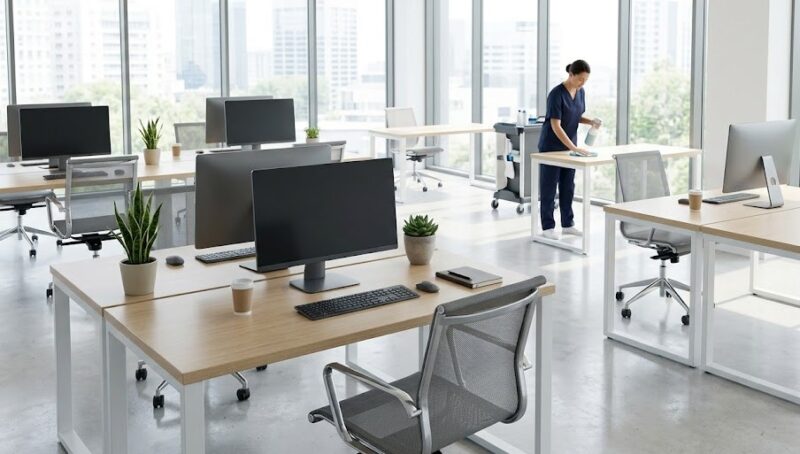
A clean workplace supports employee health, concentration and productivity by reducing contaminants, limiting distractions and creating a more organised environment. Regular professional cleaning also improves morale and demonstrates that the business values both its staff and visitors. By matching the cleaning schedule to the size, activity level and specific requirements of the premises, employers can create a healthier and more effective place to work.