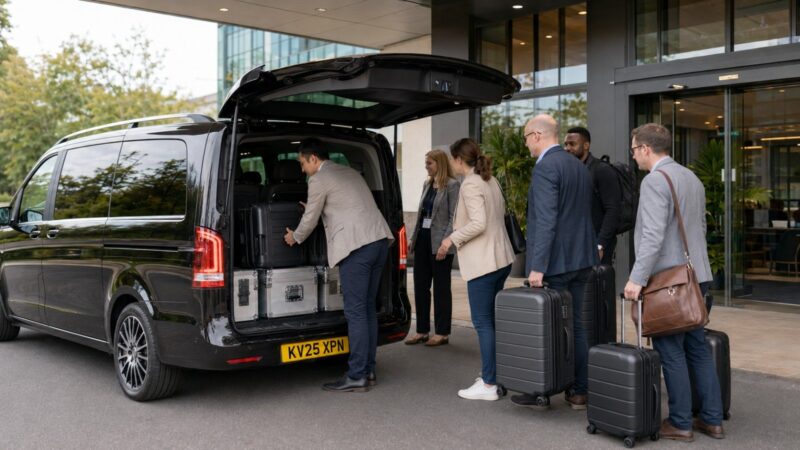
Choosing a taxi requires more than counting the number of passengers. Luggage, mobility equipment, child restraints, travel distance, and the purpose of the journey can all determine which vehicle will be most suitable.
A standard taxi may work for a short local trip, while airport transfers and group journeys often require additional seating and storage. Providing complete information when booking helps prevent delays and unsuitable vehicle assignments.
Match the Taxi to Your Group Size
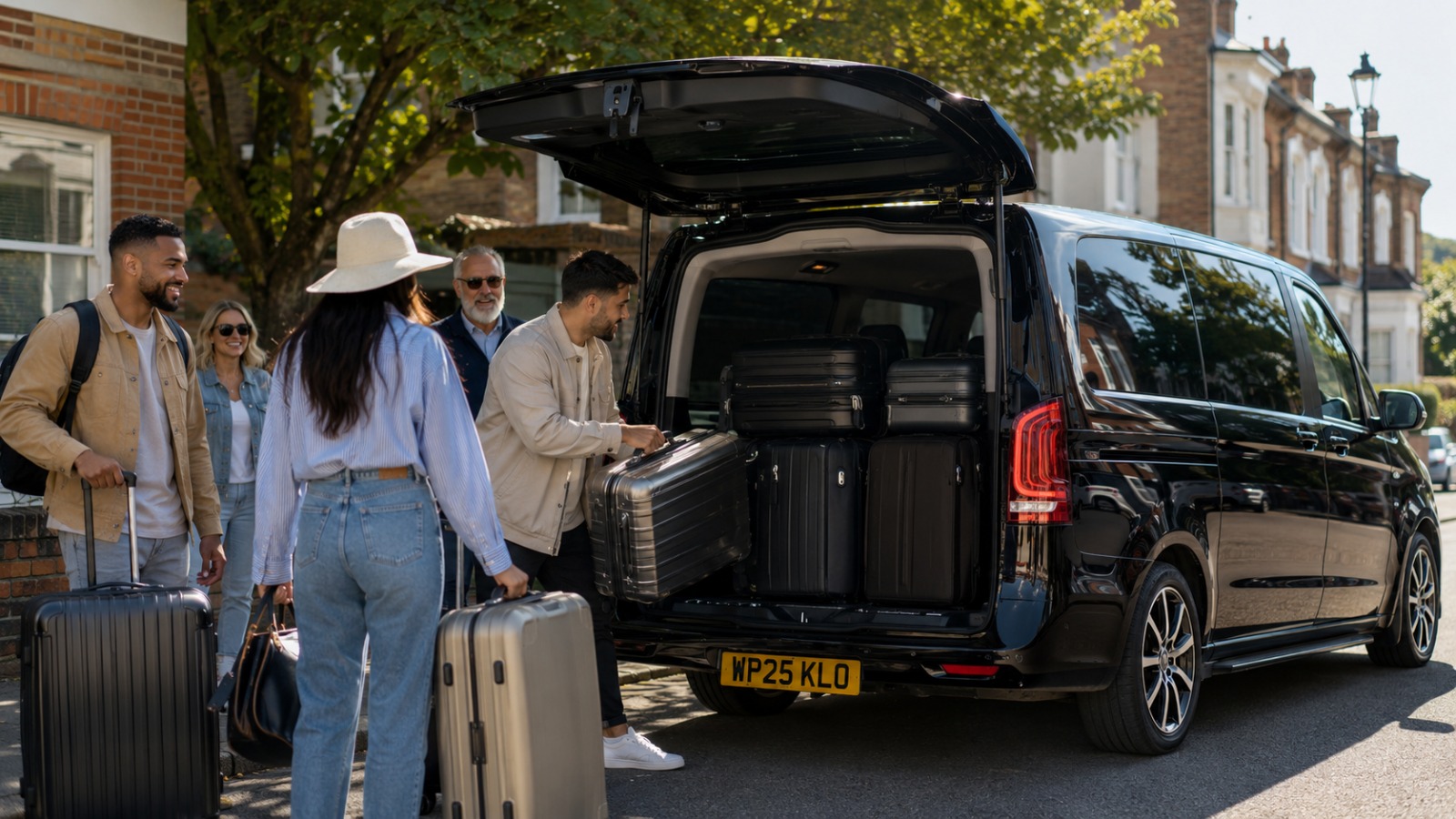
Begin by confirming the total number of adults and children travelling. A standard taxi may accommodate a small group, but it can quickly become unsuitable when every passenger has a suitcase, backpack, or other personal item.
Larger groups should consider a maxi taxi rather than dividing passengers between several vehicles. Travelling together makes it easier to coordinate arrival times, manage shared belongings, and ensure that nobody is left waiting at the pickup point.
Comfort should also influence the decision. A vehicle may technically have enough seats but still feel overcrowded on a longer journey. Passengers should have sufficient room to sit safely without holding large items on their laps.
When children are travelling, ask the provider about applicable restraint requirements and available options. Provide the children’s ages during booking instead of assuming that every taxi carries suitable equipment.
Calculate How Much Luggage Space You Need
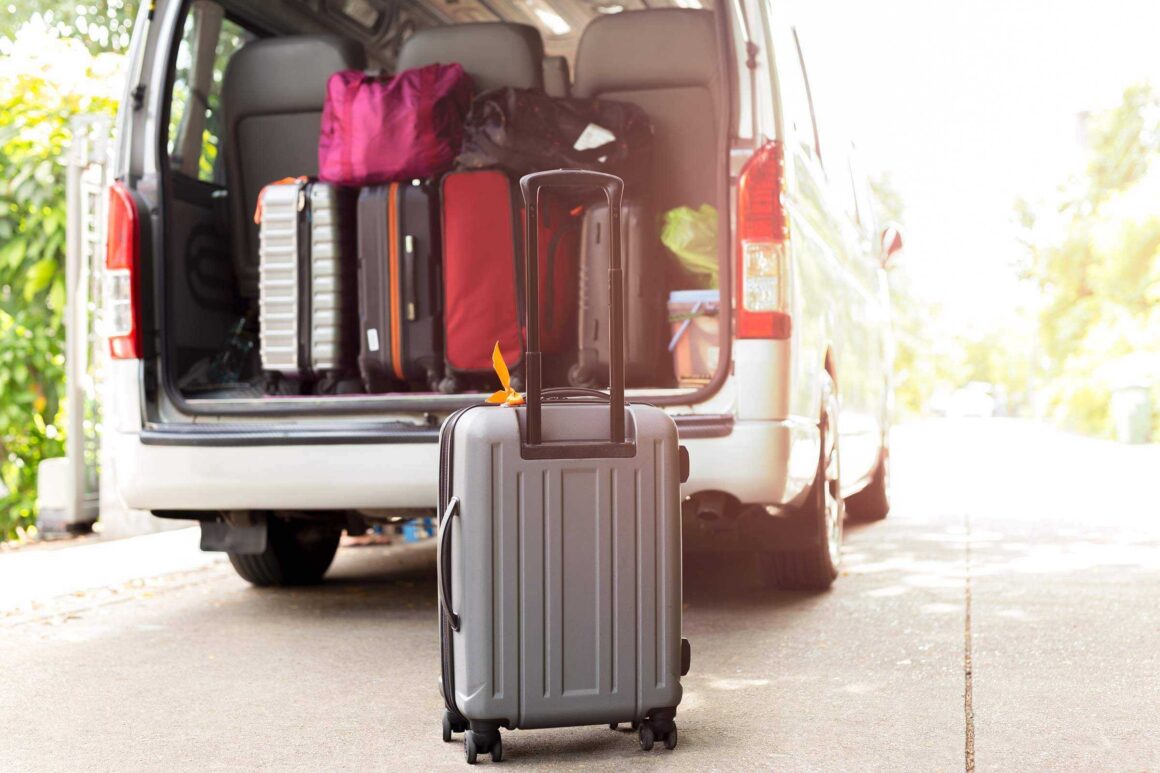
Count all suitcases, carry-on bags, backpacks, prams, sports equipment, and oversized belongings before arranging the taxi. Describe larger items accurately so the booking operator can recommend a vehicle with adequate storage capacity.
Airport journeys generally require more luggage space than ordinary local trips. Even two passengers may need a larger taxi when travelling with several suitcases, a pram, golf clubs, or other bulky equipment.
Never place luggage where it blocks a door, interferes with the driver’s visibility, or prevents passengers from using seatbelts. Items should be stored in an appropriate luggage area and secured when necessary.
If you are uncertain about capacity, provide the approximate dimensions of unusual items. This is more useful than simply requesting a large vehicle because the internal space and configuration of maxi taxis can vary.
Request an Accessible Vehicle When Required

Passengers with limited mobility may need additional space, boarding assistance, or a specially equipped vehicle. For members of the disabled community who need larger transportation, it is recommended that you order a wheelchair maxi taxi from here.
Explain whether the passenger will remain seated in the wheelchair during the journey or transfer into a standard seat. Include the wheelchair type and approximate size, particularly if it is powered or fitted with extra support equipment.
Tell the provider about walking frames, folding wheelchairs, assistance dogs, medical equipment, carers, and other passengers. Although a mobility aid may fold, it still requires safe storage space inside the vehicle.
Accessible taxis may be limited during busy periods, so make the reservation as early as possible. Confirm the pickup point and ensure there is sufficient space for a ramp or lift to be deployed safely.
Drivers may provide reasonable boarding assistance and secure mobility equipment, but they should not be expected to deliver personal or medical care. Arrange for a carer or support person to travel when appropriate.
Conclusion
The right taxi depends on the combined needs of the passengers and their belongings. Group size alone does not provide enough information when the journey also includes luggage, prams, mobility aids, or oversized equipment.
Count every passenger and item, explain accessibility needs, and book early for important journeys. Clear details allow the provider to send an appropriate vehicle and help the entire group travel safely and comfortably.