
Founders screw up in the same way every time they build tech products. They think their genius idea can’t fail. They assume people will learn to love their complicated interfaces, and they pile on features thinking more is better. Then the product flops, and they can’t figure out why. The truth is harsh. What founders want to build and what people actually need rarely match up. Learning from these mistakes now saves you from joining the graveyard of failed startups later.
Building for Themselves Instead of Users
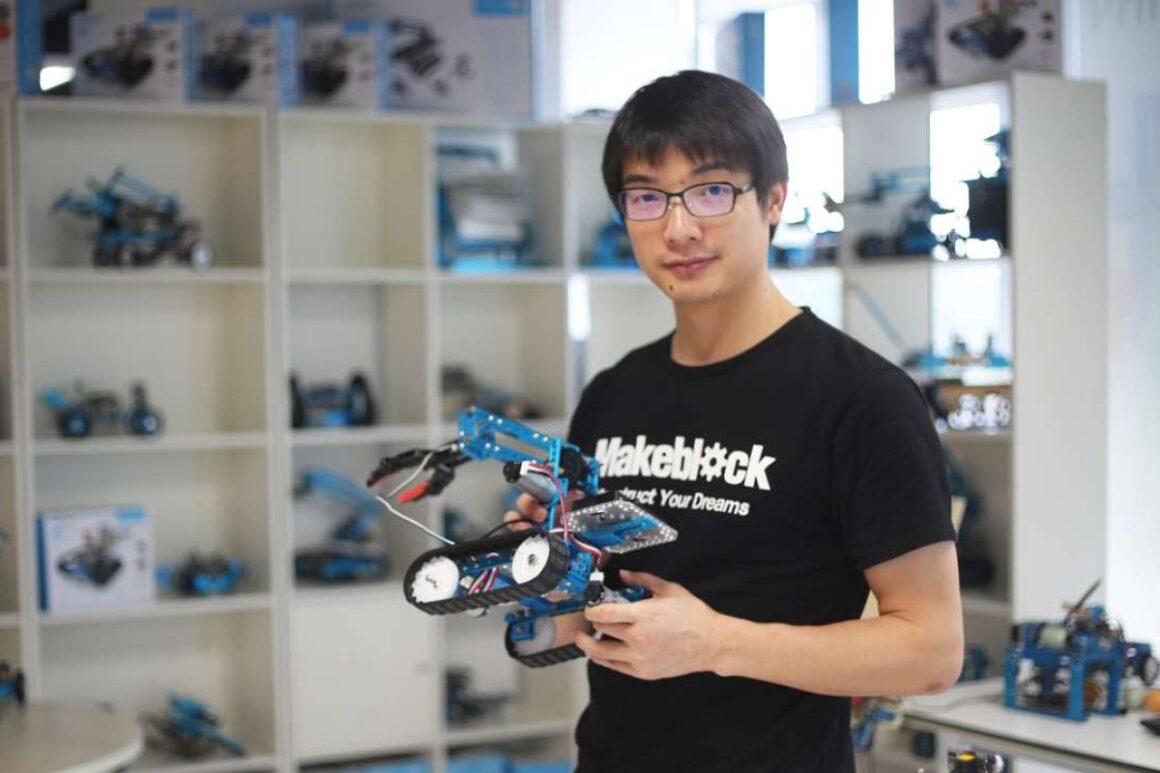
Founders overvalue their own ideas. They create for their own interest, not the public’s. You’d imagine founders would go straight to the source and ask users for input. But they remain in their offices, afraid that others might dislike their creation. They worry that feedback will slow them down. So they guess instead. They build blind. Then they act shocked when nobody downloads their app.
Here’s what works. Get messy early. Show prototypes to strangers. Watch them struggle with your interface. Listen when they say it makes no sense. Your perspective is broken because you know too much. The engineer who built the backend sees the logic. The mom trying to order groceries just sees confusion. That mom’s opinion matters more than yours.
Choosing Features Over Focus

Founders get feature fever. Their competitor adds video calls, so they panic and add video calls. Someone mentions blockchain, suddenly they’re cramming in crypto. The app starts doing twenty things badly instead of one thing well. Each random feature you add makes the core product worse. It gets slower. Bugs multiply. New users open the app and immediately feel lost.
But the pressure never stops. Investors want to see innovation. Some random user demands a feature they’ll never actually use. Your competitor’s press release makes you feel behind. Fight it. Every time you want to add something new, cut something old instead. Make the main thing better. Polish it until it’s perfect. People pay for products that nail one problem, not products that nibble at twenty.
Picking the Wrong Development Approach
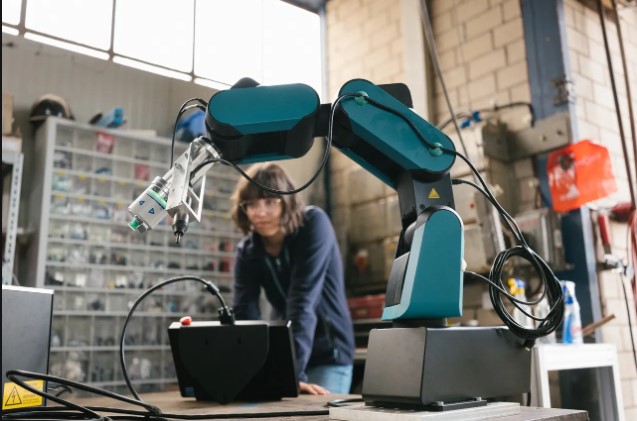
Some founders think they’ll save money by learning to code themselves. Six months on, they’ve produced shoddy, barely functional products. Others go cheap, hiring random freelancers from job boards. The freelancer disappears halfway through. The code is spaghetti. Starting over costs more than doing it right would have.
Knowing how to choose a digital transformation partner separates winners from losers. Goji Labs gets this because they’ve watched startups burn through cash on bad tech decisions. Good partners stop you from making expensive mistakes. They’ve built enough products to know what breaks at scale. They know which shortcuts will haunt you later.
Founders also pick technology like they’re shopping for sneakers. Whatever’s trendy gets chosen. They use complex setups for basic problems. They plan for millions of users when they don’t even have ten.
Meanwhile, actual problems get ignored. The checkout flow is broken but hey, at least the backend uses microservices. A good partner laughs at this nonsense. They build what you need now, not what you might need if you become Facebook.
Conclusion
Building tech products means fighting every natural instinct you have as a founder. Your users aren’t you. They don’t care about your vision. They want their problem solved, period. Features are usually distractions, not improvements.
Seemingly intelligent development choices may not always be the best ones. Founders who succeed learn to remove their own obstacles. They build for others, not themselves. They subtract, not add. They seek guidance from experienced individuals. But mostly, they accept that they’re wrong about almost everything at first. The winners are just wrong faster and cheaper than the losers.